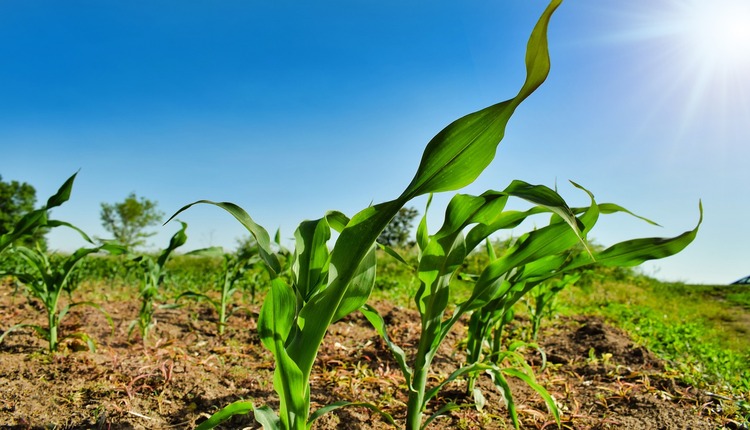
The soil microbiome is an essential part of the nutrient cycle, the process by which nutrients are converted into forms suitable for plant uptake and use. Microorganisms decompose organic matter by breaking down complex molecules into smaller compounds. This decomposition releases essential nutrients such as nitrogen, phosphorus and potassium into the soil. For example, nitrogen-fixing bacteria convert atmospheric nitrogen into ammonia, a form of nitrogen that plants can easily absorb. Similarly, phosphate-solubilising bacteria convert insoluble phosphorus into a soluble form, increasing its availability to plants.
Efficient and controlled fertilizer application is an extremely important component of modern agriculture. As the world’s population continues to grow, the demand for food is increasing, and so is the use of mineral fertilizers to boost crop yields. However, uncontrolled use of fertilisers can lead to significant environmental degradation.
The use of controlled fertilization involves a combination of technologies and innovative solutions based on updated, scientifically based data to tailor fertilizer application to the specific needs of crops and soils.
Methods of controlled fertilization
The following methods of controlled fertilization can be distinguished:
Foliar fertilization. This method of fertilization complements soil fertilisation and provides better nutrition for the crop during the growing season.
Application of granular fertilisers with controlled release. Each granule of controlled release fertiliser has a special shell that begins to absorb water when it comes into contact with moisture in the soil.
Fertilizer application can be: Pre-sowing – it is used before sowing the crop into the soil; sowing, when fertilizer is applied directly to the rows or holes; post-sowing, which is otherwise known as “top dressing”. Top dressing is carried out during the growing season.
Pathogen identification: Identifying soil pathogens is essential to prevent crop diseases that can be exacerbated by nutrient imbalances. Techniques such as DNA sequencing and microbiological analysis can identify pests in the soil, allowing targeted measures to be taken. Combining pathogen management with controlled fertilisation practices ensures crop resilience and health.
Controlled release fertilizers: These fertilisers are designed to release nutrients gradually over time, according to the nutrient uptake pattern of the crop. Controlled release reduces the risk of nutrient leaching and runoff, increasing nutrient use efficiency and minimising environmental impact…
Soil health and microbial diversity
The quality of the soil microbiome has a direct impact on plant nutrition and overall soil health. A diverse microbiome structure ensures a reliable and sustainable nutrient cycling process, preventing nutrient deficiencies and promoting plant growth. Conversely, the excessive use of chemical fertilizers and pesticides can disrupt the balance of the soil microbiota, leading to reduced nutrient availability and soil degradation.
Sustainable agriculture and microbiome regulation
Recognising the critical role of the soil microbiome in nutrient dynamics has profound implications for sustainable agriculture. Practices such as crop rotation, cover crops and reduced tillage can increase microbial diversity and microbial activity. Organic fertilisers, such as compost and biogas, provide additional sources of “food for the microbiota”, further enhancing its beneficial activities. Adopting sustainable practices helps to create a healthier soil microbiome, which leads to more nutritious and sustainable crops.
The soil microbiome is a fundamental factor that determines the nutrient content and bioavailability of soil. A balanced soil microbiome not only improves plant nutrition, but also supports sustainable agricultural practices. By developing a healthy soil microbiome, long-term soil fertility and productivity can be ensured, which will help meet the nutritional needs of a growing population and combat the growing threat of hunger.
Іn the next publication, we will explain why controlled fertilisation is the key to agricultural productivity, better crop development and, consequently, higher yields.