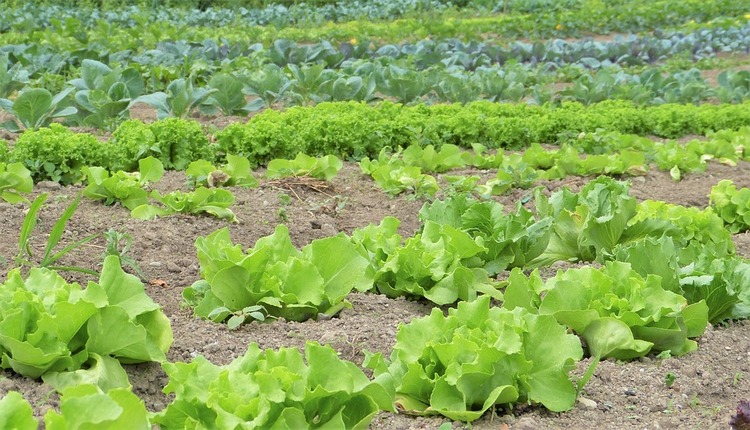
In the modern world, agriculture faces many challenges related to climate change. Rising temperatures, changes in precipitation patterns and extreme weather events lead to lower yields and deteriorating soil quality. In such circumstances, agrarians need to look for new approaches to farming. Regenerative agriculture is an innovative approach aimed at restoring ecosystem functions of the soil and increasing its fertility.
What is regenerative agriculture?
Regenerative agriculture is a system of agricultural practices that not only minimises damage to the environment, but also actively contributes to its restoration. Unlike traditional agriculture, which often depletes soils and causes erosion, regenerative agriculture focuses on maintaining and improving soil health.
The basic principles of regenerative agriculture include:
- Permanent soil cover: The use of cover crops, mulching and other methods to prevent erosion and moisture loss. Despite all the challenges in Ukraine today, cover crops can be used on large areas of fields.
- Minimal tillage: Reducing or eliminating mechanical tillage to help preserve soil structure and biological activity.
- Crop change and rotation: Frequent change of crops to prevent soil depletion and reduce pests and diseases.
- Biodiversity: Creating diverse agro-ecosystems that increase the resilience of farms to climate change and pests.
Examples of successful regenerative agriculture
There are already numerous examples of successful regenerative agriculture around the world. One such example is Gabe Brown’s farm in North Dakota, USA. Brown started using regenerative farming methods after a series of poor harvest years, and over time, his farm has become one of the most successful in the region. By using cover crops, minimal tillage, and integrating livestock, he was able to significantly improve soil health and increase yields.
Another example is the JBS farm in the UK. This farm uses regenerative farming methods to grow fruit and vegetables. Through the use of cover crops, crop rotation and natural pest management, they have been able to reduce chemical inputs and improve product quality.
The impact of climate change on agriculture
Climate change is already having an impact on agriculture around the world. Rising air temperatures lead to increased evaporation of moisture from the soil, which reduces its moisture content and causes droughts. Changes in precipitation patterns make it impossible to predict the optimal timing of sowing and harvesting. Extreme weather events, such as floods, droughts and storms, cause significant losses to agricultural businesses.
Under such conditions, traditional farming methods become less effective. For example, intensive soil cultivation causes soil depletion and erosion, making it less suitable for growing crops. Excessive use of chemical fertilizers and pesticides leads to environmental pollution and poor soil health.
Benefits of regenerative agriculture
Regenerative agriculture has a number of advantages that enable farmers to adapt more effectively to climate change.
- Improved soil health: The use of cover crops and minimal tillage helps to maintain soil structure and increase its biological activity. This helps to retain soil moisture and prevent erosion.
- Increased yields: Through improved soil health and the use of diverse crops, regenerative agriculture contributes to higher yields and farm sustainability.
- Reduced environmental impact: The use of natural methods to control pests and diseases, as well as the avoidance of chemical fertilizers and pesticides, reduces negative environmental impacts.
- Sustainability to climate change: Through the use of diverse crops and the integration of livestock, regenerative agriculture helps farms to be sustainable against climate change and extreme weather events.
- . Economic benefits: Reducing the use of chemicals and the reduction of tillage costs help to reduce costs and increase farm profitability.
- Reduced greenhouse gas emissions. Regenerative agriculture helps fight climate change by reducing greenhouse gas emissions. The use of cover crops and no-till farming helps to absorb carbon from the atmosphere and store it in the soil. Moreover, reducing the use of chemical fertilisers and pesticides reduces emissions of nitrogen oxides, a potent greenhouse gas that is produced when they decompose.
- Support for biodiversity. Regenerative agriculture contributes to the conservation and restoration of biodiversity. The use of diverse crops, crop rotation and the maintenance of natural environments such as forests and water bodies create favorable conditions for the habitation of various plant and animal species. This not only enriches ecosystems, but also contributes to the resilience of agroecosystems to pests and diseases.
- Improved food quality. Healthy soil and environmentally friendly farming practices contribute to the production of higher quality and more nutritious food. This has a positive impact on human health, reducing the risk of diseases associated with the use of products grown with chemical inputs. There is also a growing demand for organic products, which can provide farmers with additional income.
- The main benefit to society and the environment from ecosystem restoration is improved soil health, which increases soil fertility and water retention. This reduces the risk of erosion and flooding, contributing to ecosystem stability. Reducing the use of chemical fertilizers and pesticides helps to reduce water and soil pollution, which has a positive impact on the health of flora and fauna. Maintaining biodiversity through crop rotation and preservation of natural environments improves the viability of local ecosystems. Carbon sequestration through cover crops and no-till farming reduces greenhouse gas levels in the atmosphere, helping to mitigate climate change. All these aspects make regenerative agriculture an important tool for restoring and maintaining natural ecosystems.
Challenges for regenerative agriculture
Despite its many advantages, regenerative agriculture faces a number of challenges. One of them is the need to change the way we think and approach farming. Many farmers are used to traditional methods and may be sceptical of new practices. Also, the introduction of regenerative agriculture may require significant initial investment, which can be difficult for small and medium-sized farms.
However, a growing number of studies and examples of successful regenerative farming implementation demonstrate its perspectives. Every year, more and more farmers are realising the need to move towards more sustainable farming practices. Organisations and governments are also beginning to provide support and funding for regenerative practices.
Regenerative agriculture is a key tool for farmers to adapt to climate change. This approach allows agriculture to be sustainable and efficient in the new environment by improving soil health, increasing yields and reducing environmental impact.
Despite the challenges, regenerative agriculture has significant potential and could become the basis for sustainable agricultural development and the fight against hunger in the future.