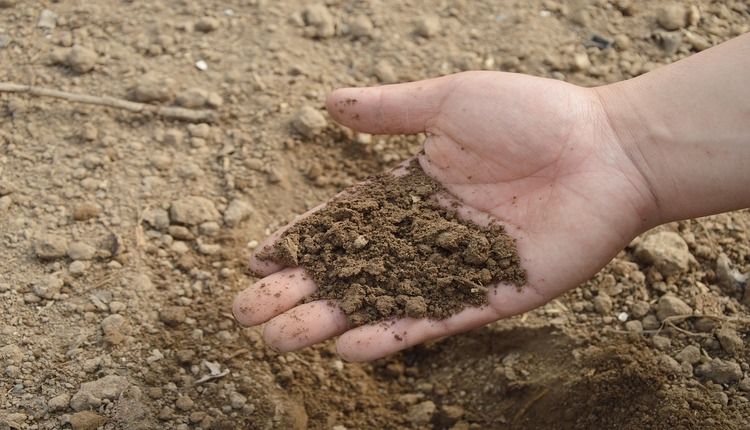
Soil is a diverse, complex ecosystem that teems with the living microorganisms that live there. These microscopic organisms – bacteria, fungi, protozoa and nematodes – form a dynamic community that plays a key role in sustaining life on our planet.Welcome to the fascinating world of soil microorganisms, highlighting their interconnections and the important functions they perform in the hidden ecosystem.
Diversity of soil microorganisms:
- Bacteria: Soil bacteria are the invisible “architects” of the below-ground world. These bacteria play an important role in the nutrient cycle by breaking down organic matter into simpler forms that plants can absorb. Nitrogen-fixing bacteria, for example, convert atmospheric nitrogen into a form suitable for plants, thus contributing to overall soil fertility.
- Fungi, including mycorrhizae, form symbiotic relationships with plants, expanding their root systems and improving nutrient uptake. These fungal networks, often referred to as “spider webs”, connect plants, enabling them to share resources and information. In addition, decomposer fungi break down complex organic compounds, further enriching the 3. 3. Protozoa are single-celled organisms that feed on bacteria and other microorganisms. In this way, they regulate bacterial populations and influence nutrient cycling. Protozoa also contribute to the formation of soil aggregates, improving soil structure and water retention.soil.
- Nematodes, commonly known as roundworms, play a dual role in the soil ecosystem. While some species are predators that feed on bacteria and other microorganisms, others form mutualistic relationships with plants. The latter extract nutrients from the bacteria in the nematode’s digestive tract, benefiting both the nematode and the plant.

Functions of the soil microbiota
The main functions of the soil microbiota are as follows:
Nutrient cycling: Soil microorganisms are the main drivers of the nutrient cycle. Bacteria and fungi decompose organic matter, releasing nutrients into the soil. This process, known as mineralisation, ensures a continuous supply of essential elements such as nitrogen, phosphorus and potassium for plant uptake.
Mycorrhizal symbiosis: Mycorrhizal fungi establish a symbiotic relationship with the roots of most plants. They improve the uptake of nutrients, particularly phosphorus and trace elements, in exchange for carbohydrates from the host plant. This mutualistic “cooperation” is a significant contribution to plant health and sustainability.
Decomposition: Decomposing microorganisms, primarily fungi and bacteria, play a crucial role in breaking down dead plant material and organic residues. This decomposition process not only recovers nutrients, but also improves soil structure and fertility.
Disease suppression: Certain soil microorganisms have antagonistic properties that inhibit the growth of plant pathogens. Such natural biocontrol helps to maintain a balance in the soil microbiome, preventing the growth of pests and protecting plant health.
Soil structure and aggregation: Microorganisms contribute to soil structure by producing substances that bind soil particles into aggregates. This aggregation improves water infiltration, aeration and root penetration. The activities of soil organisms, such as earthworms and microarthropods, further improve soil structure.
Threats to soil microbiota
As practice shows, the main threats to soil microbiota are
Excessive use of chemical fertilisers and pesticides can break the delicate balance of the soil microbial community. Some chemicals can harm beneficial microorganisms, leading to an imbalance in nutrient cycling and poor soil health, and subsequently, lower yields and agricultural productivity, and thus business losses.
Soil disturbance: Continuous soil disturbance, such as frequent ploughing or compaction, can have a negative impact on soil microorganisms. This destroys their habitat and can lead to the loss of beneficial crops.
Monoculture practices: Monoculture, or the continuous cultivation of a single crop, can limit the diversity of microorganisms in the soil. Different crops promote diverse microbial communities, which makes for a healthier and more sustainable ecosystem.
Maintaining and improving the soil microbiome
The following measures can be taken to maintain and improve the soil microbiome;
Growing cover crops helps to maintain living roots in the soil, providing a continuous source of energy for microorganisms even during periods of no harvest. Cover crops also contribute to the formation of organic matter when they are incorporated into the soil.
Reducing the use of chemicals: Adopting sustainable regenerative agriculture practices, such as organic farming or integrated pest management, minimises the use of chemicals. This helps to maintain the diversity and function of soil microorganisms.
Crop rotation: Implementing crop rotation strategies helps to increase soil biodiversity by opening it up to different plant species. This diversity supports a range of microorganisms with different functions, contributing to the sustainability of the ecosystem.
Organic matter incorporation: Incorporating organic matter, such as compost or well-rotted manure, into the soil creates a rich substrate for microorganisms to thrive. This practice not only increases the availability of nutrients, but also supports the growth of beneficial microorganisms.
Finally, it is worth emphasising that the complex network of soil microbiota forms the basis of a healthy and thriving ecosystem. Understanding the interconnectedness of these microscopic life forms is essential for sustainable agriculture, environmental conservation and the overall health of the planet.
Owners of land used for agricultural business or private gardening have a responsibility to implement practices that promote the well-being of the soil microbiota, ensuring continued fertility and sustainability of the soil ecosystem for future generations.