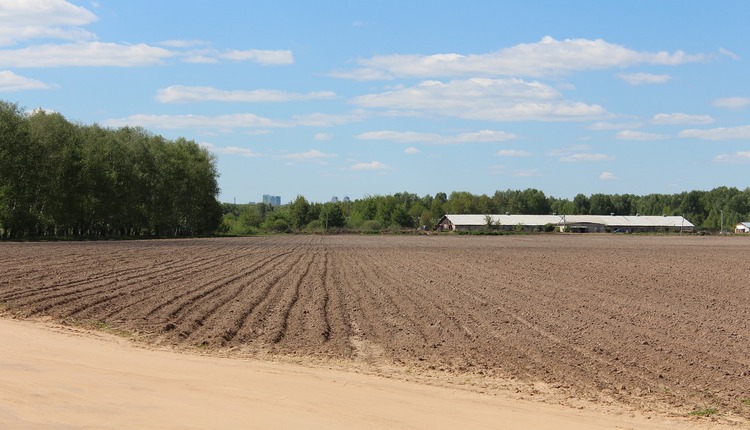
Often neglected and underestimated, soil is a silent witness to the complex dance of life on our planet. The fertile soil layer is much more than just the environment in which plants anchor their roots, soil is a complex biological phenomenon that plays a crucial role in sustaining life.In this article, we will take a deep dive into the multifaceted nature of soil, revealing its biological intricacies and the vital functions it performs to support ecosystems.
A living matrix: Microorganisms in the soil
Contrary to popular belief, soil is not an inert substance, but a living ecosystem teeming with life. Microorganisms, including bacteria, fungi and protozoa, form a microscopic community that makes a significant contribution to soil health.These organisms participate in the nutrient cycle by breaking down organic matter into essential elements that plants can absorb. The symbiotic relationship between plants and mycorrhizal fungi, for example, improves nutrient uptake and overall ecosystem sustainability.
Microbiota is highly dependent on organic matter in the soil, as it is used as a source of energy. Some bacteria get their energy from the oxidation of sulphur and nitrogen, anaerobic microbes can function without free oxygen, other microorganisms that do not function without oxygen are called aerobic.
Microorganisms decompose organic remains of plants and animals, turning them into humus, a substance that increases soil fertility.Microorganisms also participate in the cycles involving elements such as nitrogen, phosphorus, sulphur, potassium, iron and others, and can synthesise fix, mineralise, immobilise, oxidise or restore these elements, changing their forms and availability to plants.
Microorganisms also affect the physical and chemical properties of the soil, namely: structure, porosity, moisture, temperature, acidity, electrical conductivity, buffering capacity, etc. Microbiota can contribute to or prevent soil erosion, compaction, salinity, pollution, and waterlogging.
Microorganisms also interact with other living organisms in the soil to form complex symbiotic or antagonistic interactions.For example, some fungi form mycorrhizae coexisting with plant roots where they exchange nutrients, thus protecting plants from pests and diseases. Other types of fungi can cause rot or spotting of plants, worsening its condition.
Depending on their species and environmental conditions, bacteria can be beneficial or harmful to plants, for example, bacteria of the genus rhizobium can fix atmospheric nitrogen in nodules on the roots of legumes, increasing their productivity, but bacteria of the genus agrobacterium can cause blister rot on the roots of plants, which can lead to plant death if timely preventive measures are not taken. This is just one of millions of species of microorganisms known and unknown to modern science.
Earthworms: Engineers of the soil
The biodiversity of the soil world is the microorganisms that live in the soil, such as bacteria, fungi, and pathogens. They can be both beneficial and harmful to crops in particular and the ecosystem as a whole.
Earthworms, often considered humble soil inhabitants, are actually soil engineers. Their burrowing improves soil structure, promoting aeration and water infiltration.When earthworms consume organic matter, they release nutrient-rich castings, effectively fertilising the soil. These underground “architects” contribute to the overall fertility and health of the soil, which is why they are indispensable for both agricultural and natural ecosystems.
Earthworms contribute to the processing of soil, structure it, due to the fact that they constantly mix mineral and organic parts, forming a clay-humic complex. They are important in the process of nitrogen formation, as they are actively involved in its cycle.

Microbiota symbiosis – the basis of life
Plants and microbiota engage in a fascinating process of symbiosis, each relying on the other for sustenance. The intricate web of plant roots not only anchors the plant, but also forms a vital link with soil microorganisms.
Due to a symbiotic relationship with nitrogen-fixing bacteria, some plants can access atmospheric nitrogen and convert it into a form suitable for its growth. This collaboration illustrates the deep interdependence between plants and the biological organisms that live in the soil.
The role of soil in biodiversity
Soil is the cradle of biodiversity, housing an amazing array of organisms. From microscopic bacteria to larger organisms such as insects and rodents, soil provides a habitat for a wide variety of species. This biodiversity contributes to the stability and resilience of the ecosystem, as each organism plays a role in nutrient cycling, decomposition and other ecological processes. The health of soil biodiversity is closely linked to the overall health of ecosystems above ground.
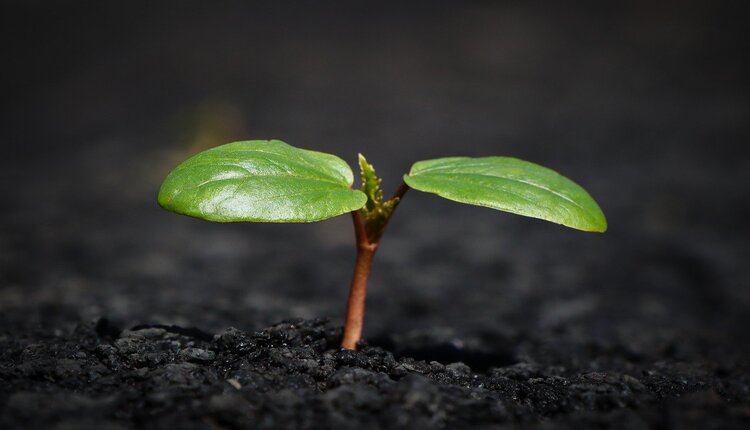
Challenges to soil health: Human impacts
Despite its critical role, soil health faces numerous challenges from human activities. Agricultural practices that involve the excessive use of chemical fertilisers and pesticides can upset the delicate balance of the soil ecosystem. Deforestation and urbanisation further contribute to soil erosion, leading to the loss of fertile topsoil. Recognising and addressing these issues is essential to maintaining the integrity of this biological phenomenon.
Why is it a shared responsibility to protect and restore soil health?
Adopting sustainable agricultural practices, such as organic farming and agroforestry, can minimise environmental impacts on soils. Implementing anti-erosion measures, such as contour ploughing, helps maintain soil structure and prevent the loss of topsoil.
Public awareness and education play a crucial role in building a greater understanding of the importance of soil and the impact of individual choices on its health.
In conclusion, it is important to emphasise that soil is not just the ground beneath our feet; it is a living, breathing entity that supports life in all its forms. From microscopic organisms to the roots of tall trees, every component of the ecosystem is inextricably linked to soil health.
Recognising and understanding soil as a biological phenomenon underscores the importance of conservation efforts and sustainable practices to ensure the continued well-being of our planet and all its inhabitants. As we strive for a more sustainable future, let’s not forget the importance of soil in shaping life on Earth.