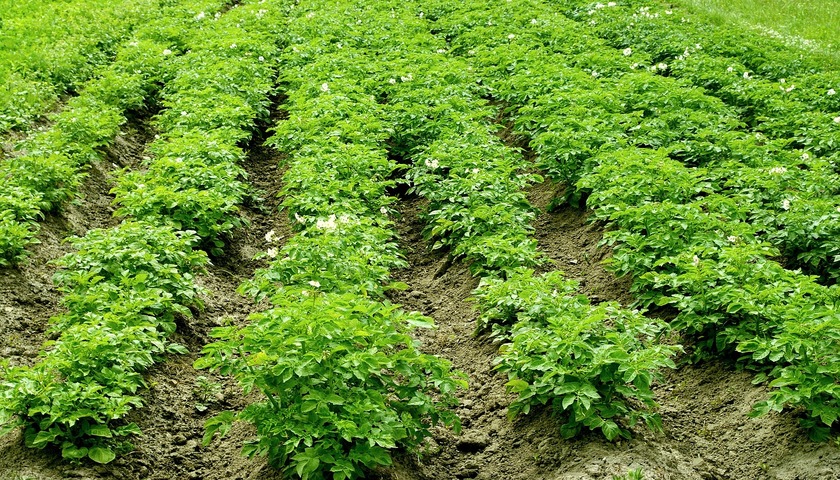
Potato growing is a vital component of global agriculture and has been for centuries, providing millions of people with their main source of food.
As the world faces increasing challenges such as climate change, soil degradation and the constant presence of potato pests and phytopathogens in the soil, the need for innovative and sustainable farming practices is critical to the successful future of the global community.
One of the most advanced ways to improve potato production is through biological profiling, an innovative approach that takes advantage of the power of biological data to optimize yield, quality and sustainability.

Which benefits does biological profiling have for potato cultivation?. Here are some of it:
GreenClinic LifeScience biological profiling provides a comprehensive analysis of biological characteristics and mutual influences in the potato ecosystem.This approach goes beyond traditional agricultural practices by integrating top-of-the-line technologies such as genomics, proteomics, metabolomics and microbiomics.
- With a deeper understanding of the biological processes that regulate potato growth, its resistance to specific diseases and pathogens in the soil on the field where they plan to plant potatoes, agrarians will have more business predictability.
- Thanks to biological profiling, growers can make knowledge-based decisions to improve crop productivity.
- Biological profiling can be carried out both before planting potatoes and during their growing season to monitor and influence changes in the soil.
- Knowing the ins and outs of soil microbial ecosystems helps to identify and eliminate potential threats to future crops, such as diseases, pests, toxins, nutrient deficiencies or excesses.
- Timely detection of pathogens present in a particular field before the seeds are planted in the soil makes it possible to prevent their spread and apply effective control measures, such as seed treatment, selection of resistant varieties, use of biological agents, etc.
- The potential of the soil microbiota is harnessed to improve soil health and nutrient cycling, which increases potato growth and development.For example, some microorganisms can fix atmospheric nitrogen, decompose organic matter, synthesise growth hormones, stimulate the root system, increase plant immunity, fight pathogens, etc.
- Early detection of problems allows for proactive measures aimed at reducing the risk of crop losses and, as a result, increasing the profitability of agribusiness.For instance, biological profiling enables us to determine the optimal planting time, planting depth, planting density, fertilisation, watering, cultivation, etc.
- Identification of the root causes of phytopathological crises aimed at their early detection and prevention;
- Reducing risks for agribusinesses through predictability and optimisation of their practices based on the most up-to-date and innovative soil health research.
- The use of biological soil profiling could lead to a paradigm shift in agricultural practices towards more environmentally friendly, sustainable potato growing, with minimal use of chemical fertilisers and pesticides.
Biological profiling is necessary for agricultural producers because it provides:
Precision farming:
Biological profiling enables precision farming, where farmers can adapt their growing practices to the specific needs of each potato plant. This targeted approach optimizes resource use, minimises waste and contributes to sustainable agriculture.
Resistance to pests and diseases:
Farmers will be able to select potato varieties with genetic resistance to common pests and diseases. This reduces reliance on chemical pesticides, promoting environmentally friendly and cost-effective pest management strategies.
Optimized application of fertilisers and crop protection products:
Profiling helps farmers to optimize fertiliser and crop protection applications by understanding the nutrient requirements of potato plants at different stages of growth. This not only increases yields, but also prevents nutrient leaching, thus mitigating the environmental impact.
Increased environmental sustainability:
By taking advantage of biological profiling, farmers can implement practices that promote soil health, reduce chemical use and contribute to overall environmental sustainability. Healthy soils and sustainable crops are key to long-term success in agriculture.

Challenges and perspectives of biological profiling for the future
While biological profiling holds great potential for the future of potato production, challenges remain. Issues such as the integration of big data analysis, the availability of advanced technologies and ethical considerations related to genetic modification require careful consideration.
Furthermore, ongoing research is essential to gain new knowledge about the complex biological interactions between potato plants and an environment.
To summarise, by applying this innovative approach, the agricultural business can lay the groundwork for a future in which potato cultivation plays a leading role in global food security and environmental protection.